Intimate skincare has become one of the fastest-growing areas in dermatology and aesthetic medicine. Many people are now paying attention to skin concerns in delicate areas such as the bikini line, inner thighs, groin, and genital region. Issues like pigmentation, rough texture, ingrown hair marks, and uneven skin tone can affect confidence and comfort.
- Hyperpigmentation
- Ingrown Hair Scars
- Uneven Skin Texture
- Acne and Folliculitis
- Skin Brightening
- Correct Peel Strength
- Proper Skin Assessment
- Controlled Application
- Professional Neutralization
- Post-Treatment Care
- Lactic Acid Peels
- Mandelic Acid Peels
- Glycolic Acid Peels
- Salicylic Acid Peels
- Improved Skin Tone
- Reduction of Ingrown Hair Marks
- Smoother Skin Texture
- Collagen Stimulation
- Boosted Skin Renewal
- Enhanced Confidence
- Skin Cleansing
- Skin Preparation
- Peel Application
- Monitoring the Skin
- Neutralization
- Post-Treatment Soothing
- Avoid friction
- Keep the area moisturized
- Avoid shaving for several days
- Avoid heat exposure
- Follow professional skincare advice
- Laser Skin Brightening
- Microneedling
- PRP Skin Therapy
- Laser Hair Removal
Among the modern treatments gaining popularity is the intimate chemical peel, a specialized dermatological procedure designed to rejuvenate and brighten sensitive skin areas.
However, many people still ask an important question:
Are intimate chemical peels safe?
The short answer is yes—when performed correctly by trained dermatology professionals, intimate chemical peels are generally safe and effective. However, because the genital and bikini area contains delicate skin, these treatments require proper technique, medical-grade products, and professional supervision.
This comprehensive guide explains everything you need to know about intimate chemical peels, including how they work, their safety profile, benefits, risks, preparation, recovery, and who should consider them.
This article follows semantic SEO best practices, includes LSI keywords, and provides medically informed explanations to help readers globally understand intimate chemical peel treatments.
Understanding Chemical Peels
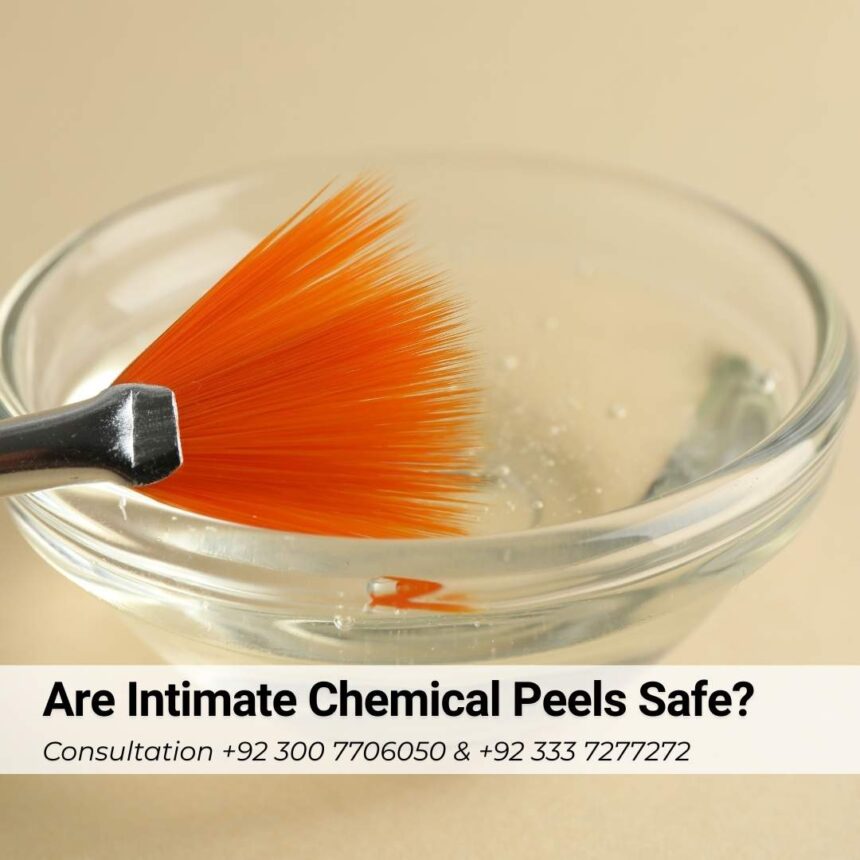
A chemical peel is a dermatological treatment that uses specially formulated acids to exfoliate and remove damaged layers of skin. This controlled exfoliation stimulates the growth of new skin cells, improving texture, tone, and overall skin health.
Chemical peels are commonly used for:
- Acne scars
- Hyperpigmentation
- Sun damage
- Uneven skin tone
- Fine lines and wrinkles
- Rough skin texture
When adapted for sensitive areas, the treatment becomes known as an intimate chemical peel.
What Are Intimate Chemical Peels?
Intimate chemical peels are gentle dermatological peels specifically designed for sensitive skin areas, including:
- Bikini line
- Pubic region
- Inner thighs
- Buttocks
- Perianal area
- Underarms
These treatments use milder chemical solutions compared to facial peels to avoid irritation or damage.
The goal is to:
- Improve pigmentation
- Smooth skin texture
- Reduce ingrown hair scars
- Brighten the skin tone
- Enhance overall skin appearance
Because the genital area is delicate, intimate peels are formulated with lower acid concentrations and specialized ingredients.
Why Do People Get Intimate Chemical Peels?
Several skin concerns can affect the bikini and genital areas.
Hyperpigmentation
Darkening of the skin in intimate areas is extremely common and may occur due to:
- Hormonal changes
- Friction
- Hair removal
- Aging
- Genetics
Chemical peels help reduce excess melanin production.
Ingrown Hair Scars
Frequent shaving or waxing can cause ingrown hairs that leave dark marks or bumps.
Peels help remove damaged skin cells and promote smoother skin.
Uneven Skin Texture
Rough or bumpy skin can occur due to clogged follicles or repeated irritation.
Exfoliating peels smooth the skin surface.
Acne and Folliculitis
Some individuals develop acne-like bumps in the pubic region.
Chemical peels help reduce bacterial growth and inflammation.
Skin Brightening
Many patients seek chemical peels simply to improve the overall appearance and brightness of the intimate area.
Are Intimate Chemical Peels Safe?
When performed by trained dermatologists or aesthetic professionals, intimate chemical peels are considered safe.
Safety depends on several key factors:
Correct Peel Strength
Professional treatments use mild acids suitable for sensitive areas.
Proper Skin Assessment
A qualified practitioner evaluates skin type before treatment.
Controlled Application
Peel solutions are applied carefully to avoid irritation.
Professional Neutralization
The peel is neutralized at the correct time to prevent excessive exfoliation.
Post-Treatment Care
Proper aftercare ensures safe healing.
When these steps are followed, complications are extremely rare.
Types of Chemical Peels Used for Intimate Areas
Dermatologists typically use gentle chemical solutions specifically designed for delicate skin.
Lactic Acid Peels
Lactic acid is one of the most common acids used in intimate treatments.
Benefits include:
- Gentle exfoliation
- Skin brightening
- Hydration support
- Reduced irritation
Mandelic Acid Peels
Mandelic acid is ideal for sensitive skin.
Advantages include:
- Anti-bacterial properties
- Safe for darker skin tones
- Reduced risk of pigmentation complications
Glycolic Acid Peels
Glycolic acid is a popular exfoliating acid.
Benefits include:
- Improved skin texture
- Reduced pigmentation
- Enhanced collagen production
However, lower concentrations are used for intimate skin.
Salicylic Acid Peels
Salicylic acid works well for people with folliculitis or acne in the pubic region.
It helps:
- unclog pores
- reduce inflammation
- prevent ingrown hairs
Benefits of Intimate Chemical Peels
Professional intimate peels offer multiple benefits.
Improved Skin Tone
Peels gradually lighten hyperpigmentation and dark patches.
Reduction of Ingrown Hair Marks
Dead skin removal helps prevent hair from becoming trapped under the skin.
Smoother Skin Texture
Peels remove rough outer skin layers.
Collagen Stimulation
Some acids stimulate collagen production, improving skin quality.
Boosted Skin Renewal
Chemical exfoliation accelerates natural cell turnover.
Enhanced Confidence
Many individuals feel more comfortable and confident after improving skin appearance.
Who Is a Good Candidate for Intimate Chemical Peels?
This treatment may be suitable for individuals who experience:
- Dark bikini line pigmentation
- Ingrown hair scars
- Rough skin in intimate areas
- Mild acne or folliculitis
- Uneven skin tone
- Post-shaving irritation marks
Both men and women can benefit from intimate peels.
Who Should Avoid Intimate Chemical Peels?
Not everyone is a candidate for the treatment.
Individuals should avoid peels if they have:
- Active infections
- Open wounds
- Severe skin irritation
- Herpes outbreaks
- Recent laser treatments
- Allergies to peel ingredients
Pregnant individuals should consult their doctor before undergoing any aesthetic procedure.
What Happens During an Intimate Chemical Peel Procedure?
The treatment process is straightforward and usually takes 20–30 minutes.
Skin Cleansing
The treatment area is thoroughly cleansed to remove oils and impurities.
Skin Preparation
Special solutions prepare the skin for peel application.
Peel Application
The chemical peel solution is carefully applied to the targeted area.
Patients may feel mild tingling or warmth.
Monitoring the Skin
The practitioner closely monitors the skin’s reaction.
Neutralization
The peel is neutralized to stop the exfoliation process.
Post-Treatment Soothing
A calming product is applied to protect the skin.
How Many Sessions Are Needed?
Most patients require 3–6 sessions for noticeable improvement.
Sessions are usually spaced 3–4 weeks apart.
Gradual treatments produce safer and more natural results.
Recovery After Intimate Chemical Peels
Recovery from mild intimate peels is usually quick.
Common temporary effects include:
- Mild redness
- Slight peeling
- Temporary dryness
- Light sensitivity
These symptoms typically resolve within a few days.
Aftercare Tips for Best Results
Proper aftercare is essential for safe healing.
Avoid friction
Wear loose clothing to reduce irritation.
Keep the area moisturized
Use dermatologist-recommended creams.
Avoid shaving for several days
Allow the skin to heal completely.
Avoid heat exposure
Hot baths and saunas may irritate treated skin.
Follow professional skincare advice
Post-treatment products help accelerate recovery.
Potential Risks and Side Effects
Although generally safe, chemical peels can cause complications if not performed correctly.
Possible side effects include:
- irritation
- temporary redness
- excessive peeling
- post-inflammatory pigmentation
- allergic reactions
Choosing an experienced provider significantly reduces these risks.
Are At-Home Intimate Peels Safe?
Many online products claim to offer intimate chemical peels for home use.
However, caution is advised.
DIY peels can lead to:
- chemical burns
- severe irritation
- pigmentation problems
Because the genital area is highly sensitive, professional treatments are usually safer.
Alternative Treatments for Intimate Skin Rejuvenation
Some individuals may benefit from other dermatological procedures.
Laser Skin Brightening
Laser treatments target melanin and improve pigmentation.
Microneedling
Microneedling stimulates collagen and improves texture.
PRP Skin Therapy
Platelet-rich plasma supports skin healing and regeneration.
Laser Hair Removal
Permanent hair reduction helps prevent ingrown hair scars.
Intimate Skincare Tips to Maintain Results
Maintaining results after chemical peels requires proper skincare.
Gentle cleansing
Avoid harsh soaps in the genital area.
Regular exfoliation
Mild exfoliation prevents ingrown hairs.
Hydration
Moisturized skin heals faster.
Sun protection
Although the area is covered, UV exposure can worsen pigmentation.
Proper hair removal
Consider laser hair reduction instead of frequent shaving.
Psychological and Confidence Benefits
While intimate skincare is often viewed as purely cosmetic, it can also have emotional benefits.
Improving skin appearance can enhance:
- body confidence
- self-esteem
- personal comfort
- sexual wellness
These benefits contribute to overall wellbeing.
The Future of Intimate Dermatology
Aesthetic dermatology continues to evolve with safer and more advanced treatments.
New innovations focus on:
- gentler peel formulas
- personalized skincare solutions
- combination therapies
- regenerative treatments
These developments allow dermatologists to address intimate skin concerns with greater precision and safety.
Final Thoughts
Intimate chemical peels are a safe and effective treatment when performed by trained professionals using appropriate products.
They help address common concerns such as:
- hyperpigmentation
- ingrown hair scars
- rough skin texture
- uneven tone
With proper consultation, professional treatment, and good aftercare, patients can achieve smoother, brighter, and healthier skin in sensitive areas.
If you are considering intimate skin treatments, always consult a qualified dermatologist or aesthetic specialist to ensure safe and personalized care.