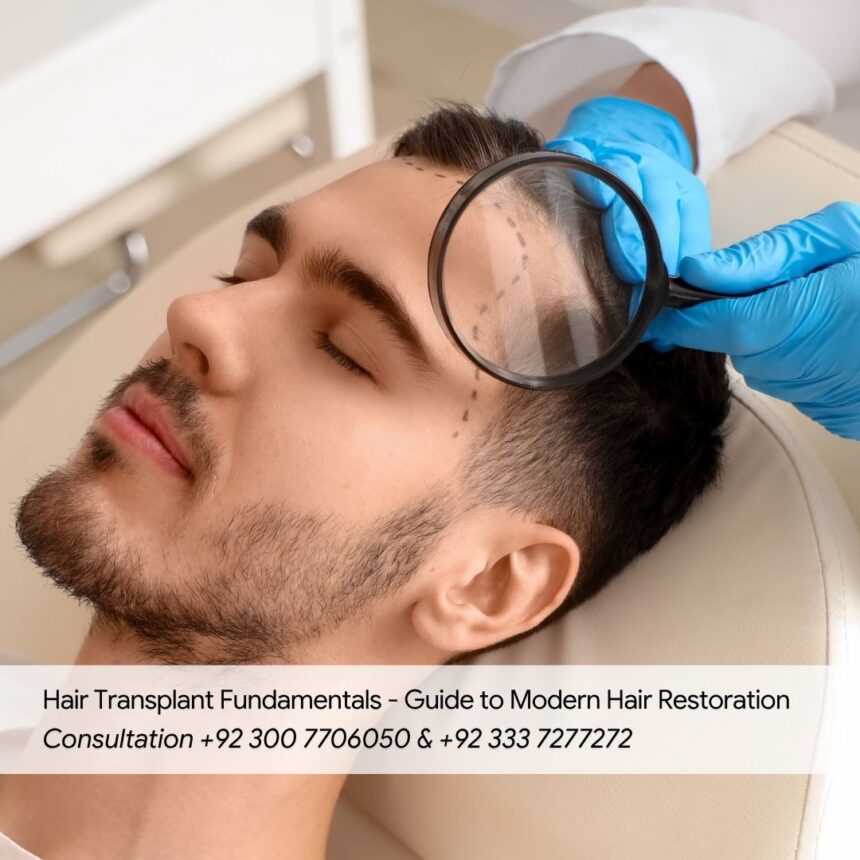
Hair loss is one of the most common concerns affecting millions of men and women worldwide. From early thinning to advanced baldness, the psychological and aesthetic impact can be significant. As a result, hair restoration solutions have evolved dramatically, with hair transplant procedures emerging as one of the most reliable, permanent, and scientifically advanced options available today.
- Understanding Hair Loss: The Root of the Problem
- 1. Androgenetic Alopecia (Male & Female Pattern Baldness)
- 2. Hormonal Changes
- 3. Lifestyle & Environmental Factors
- 4. Medical Conditions
- What Is a Hair Transplant?
- Types of Hair Transplant Techniques
- 1. Follicular Unit Transplantation (FUT)
- 2. Follicular Unit Extraction (FUE)
- 3. Direct Hair Implantation (DHI)
- Who Is an Ideal Candidate for Hair Transplant?
- Hair Transplant Procedure: Step-by-Step
- Step 1: Consultation & Hair Analysis
- Step 2: Hairline Design
- Step 3: Donor Area Extraction
- Step 4: Graft Preparation
- Step 5: Recipient Area Implantation
- Step 6: Post-Procedure Care
- Recovery Timeline After Hair Transplant
- Results: What to Expect
- Benefits of Hair Transplant
- Risks and Side Effects
- Cost of Hair Transplant
- Hair Transplant vs Non-Surgical Treatments
- Hairline Design: The Art Behind the Science
- Donor Area Management
- Common Myths About Hair Transplant
- Myth 1: Hair transplant gives instant results
- Myth 2: It is painful
- Myth 3: Results look fake
- Myth 4: Only men can get hair transplants
- Hair Transplant for Women
- Beard and Eyebrow Transplants
- Post-Transplant Care Tips
- Long-Term Hair Care After Transplant
- Latest Innovations in Hair Transplant
- Psychological Impact of Hair Restoration
- Choosing the Right Clinic
- Global Trends in Hair Transplant
- Future of Hair Restoration
- Conclusion: The Foundation of Hair Transplant Success
This comprehensive guide to hair transplant fundamentals is designed to educate beginners, potential patients, and professionals about everything they need to know—from causes of hair loss to modern surgical techniques, recovery, results, and long-term care.
Understanding Hair Loss: The Root of the Problem
Before diving into hair transplant procedures, it is essential to understand why hair loss occurs.
1. Androgenetic Alopecia (Male & Female Pattern Baldness)
The most common cause of hair loss is genetic, known as androgenetic alopecia. It occurs due to sensitivity to dihydrotestosterone (DHT), a hormone that shrinks hair follicles over time.
2. Hormonal Changes
Hormonal imbalances due to pregnancy, menopause, thyroid disorders, or medical treatments can trigger temporary or permanent hair loss.
3. Lifestyle & Environmental Factors
Stress, poor diet, pollution, and chemical exposure can weaken hair follicles and accelerate shedding.
4. Medical Conditions
Autoimmune diseases, scalp infections, and certain medications can contribute to hair thinning or bald patches.
What Is a Hair Transplant?
A hair transplant is a minimally invasive surgical procedure that involves extracting healthy hair follicles from a donor area (usually the back or sides of the scalp) and implanting them into bald or thinning areas.
The key principle behind hair transplantation is donor dominance—transplanted hair retains its original genetic resistance to hair loss, ensuring long-lasting results.
Types of Hair Transplant Techniques
Modern hair transplantation has advanced significantly, offering natural-looking and minimally invasive solutions.
1. Follicular Unit Transplantation (FUT)
Also known as the strip method, FUT involves removing a strip of scalp from the donor area and dissecting it into individual follicular units.
Advantages:
- High graft yield in one session
- Suitable for advanced baldness
- Cost-effective
Disadvantages:
- Linear scar
- Longer recovery time
2. Follicular Unit Extraction (FUE)
FUE is the most popular technique worldwide. It involves extracting individual hair follicles using micro punches.
Advantages:
- No visible linear scar
- Faster healing
- Minimal discomfort
Disadvantages:
- Time-consuming
- Slightly higher cost
3. Direct Hair Implantation (DHI)
DHI is a modified version of FUE where follicles are implanted directly using a specialized pen.
Advantages:
- High precision
- No need for channel creation
- Dense packing possible
Disadvantages:
- Requires expertise
- Higher cost
Who Is an Ideal Candidate for Hair Transplant?
Not everyone experiencing hair loss is suitable for a transplant. Ideal candidates include:
- Individuals with stable hair loss
- Sufficient donor hair availability
- Realistic expectations
- Good overall health
- Age above 25 (in most cases)
Hair Transplant Procedure: Step-by-Step
Understanding the procedure helps reduce anxiety and improves patient confidence.
Step 1: Consultation & Hair Analysis
The surgeon evaluates scalp condition, hair density, donor area strength, and medical history.
Step 2: Hairline Design
A natural-looking hairline is designed based on facial symmetry, age, and ethnicity.
Step 3: Donor Area Extraction
Hair follicles are extracted using FUT or FUE methods.
Step 4: Graft Preparation
Extracted follicles are carefully sorted and preserved.
Step 5: Recipient Area Implantation
Tiny incisions are made, and grafts are implanted strategically.
Step 6: Post-Procedure Care
Instructions are provided for healing and optimal growth.
Recovery Timeline After Hair Transplant
Recovery is a critical phase that influences final results.
First Week
- Mild swelling and redness
- Scab formation
- Avoid touching grafts
2–4 Weeks
- Shock loss (temporary shedding of transplanted hair)
- Healing continues
3–6 Months
- New hair growth begins
- Gradual thickening
6–12 Months
- Visible improvement
- Natural hair density develops
12–18 Months
- Final results achieved
Results: What to Expect
Hair transplant results are permanent, but they take time. Patience is essential.
- Natural hair growth cycle applies
- Density improves gradually
- Hair can be cut, styled, and treated like normal hair
Benefits of Hair Transplant
Hair transplantation offers several advantages over temporary solutions:
- Permanent solution to hair loss
- Natural appearance
- Low maintenance
- Boost in confidence and self-esteem
- Cost-effective in the long term
Risks and Side Effects
While generally safe, hair transplants may have minor risks:
- Swelling
- Infection (rare)
- Temporary numbness
- Uneven growth (if poorly executed)
Choosing an experienced surgeon minimizes complications.
Cost of Hair Transplant
The cost varies depending on:
- Technique used (FUE, FUT, DHI)
- Number of grafts required
- Clinic reputation
- Geographic location
In many countries, hair transplant costs are significantly lower while maintaining high-quality standards, making it a global medical tourism option.
Hair Transplant vs Non-Surgical Treatments
Non-Surgical Options:
- Medications (Minoxidil, Finasteride)
- PRP therapy
- Laser therapy
Comparison:
| Factor | Hair Transplant | Non-Surgical |
|---|---|---|
| Permanence | Permanent | Temporary |
| Cost | One-time | Ongoing |
| Results | Natural density | Maintenance |
| Downtime | Minimal | None |
Hairline Design: The Art Behind the Science
One of the most crucial aspects of a successful hair transplant is hairline design.
A well-designed hairline should:
- Match facial structure
- Consider age progression
- Maintain natural irregularity
- Avoid unnatural straight lines
Donor Area Management
The donor area is a limited resource. Proper management ensures long-term success.
- Avoid over-harvesting
- Maintain natural density
- Preserve for future procedures
Common Myths About Hair Transplant
Myth 1: Hair transplant gives instant results
Reality: It takes months to see full growth.
Myth 2: It is painful
Reality: Modern procedures are minimally painful with anesthesia.
Myth 3: Results look fake
Reality: When done correctly, results are completely natural.
Myth 4: Only men can get hair transplants
Reality: Women are also suitable candidates.
Hair Transplant for Women
Hair loss in women is often diffuse, making transplantation more complex but still effective.
Common indications:
- Hairline lowering
- Eyebrow restoration
- Traction alopecia
Beard and Eyebrow Transplants
Hair transplant technology is not limited to the scalp.
Beard Transplant
- Enhances facial hair density
- Popular among younger men
Eyebrow Transplant
- Restores natural eyebrow shape
- Ideal for over-plucked or thinning brows
Post-Transplant Care Tips
Proper care ensures optimal results:
- Avoid direct sunlight
- Follow prescribed medications
- Do not scratch or pick scabs
- Use mild shampoo
- Avoid smoking and alcohol
Long-Term Hair Care After Transplant
Even though transplanted hair is permanent, surrounding hair still needs care.
- Maintain a healthy diet
- Use recommended hair products
- Consider maintenance therapies
Latest Innovations in Hair Transplant
The field continues to evolve with advanced technologies:
- Robotic hair transplant systems
- Stem cell-based therapies
- Exosome treatments
- Sapphire blade FUE
These innovations aim to improve precision, density, and healing time.
Psychological Impact of Hair Restoration
Hair restoration is not just cosmetic—it has profound psychological benefits:
- Improved self-confidence
- Better social interaction
- Enhanced professional image
Choosing the Right Clinic
Selecting the right clinic is critical for success.
Key Factors:
- Qualified surgeon
- Verified results
- Transparent pricing
- Hygiene standards
- Patient reviews
Global Trends in Hair Transplant
Hair transplantation has become a global industry, with patients traveling internationally for affordable and high-quality procedures.
Popular regions include:
- South Asia
- Middle East
- Europe
Future of Hair Restoration
The future holds exciting possibilities:
- Hair cloning
- Regenerative medicine
- Personalized treatments
These advancements may revolutionize how hair loss is treated.
Conclusion: The Foundation of Hair Transplant Success
Understanding the fundamentals of hair transplantation is essential for making informed decisions. From identifying the cause of hair loss to choosing the right technique and clinic, every step plays a crucial role in achieving natural, long-lasting results.
Hair transplant is not just a procedure—it is a transformation that restores not only hair but also confidence and identity. With continuous advancements in technology and techniques, it remains one of the most effective solutions for hair loss worldwide.