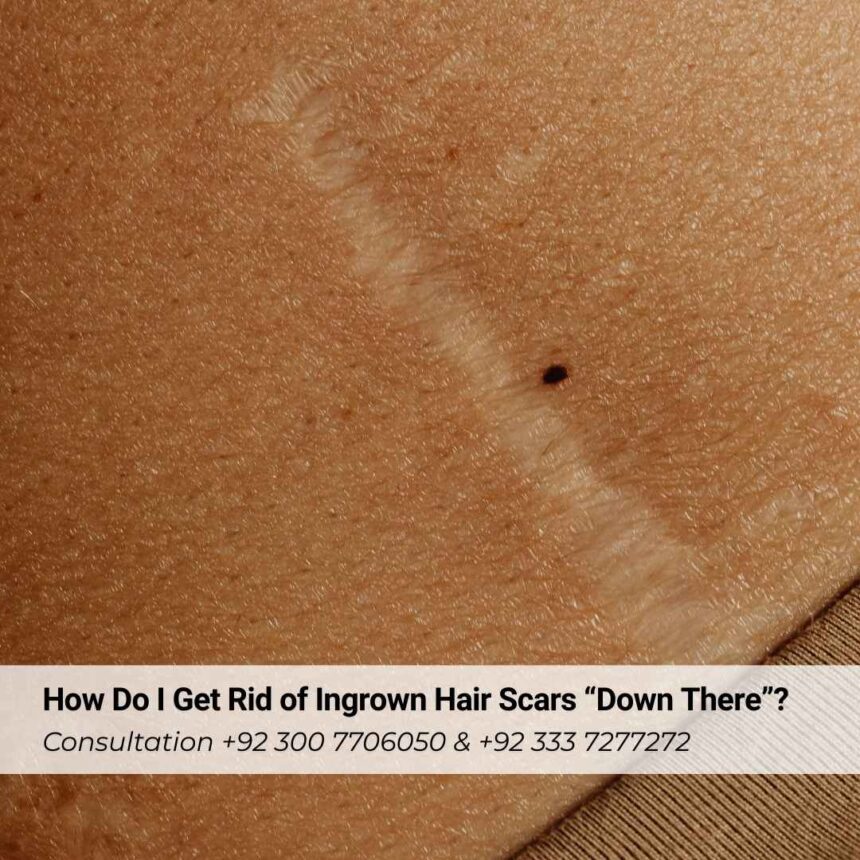
Ingrown hair scars in the intimate area are far more common than most people realize. Many individuals experience dark marks, bumps, or scarring after shaving, waxing, or hair removal in the bikini line, groin, or genital region. While ingrown hairs themselves can be irritating, the scars they leave behind often become the bigger concern.
- 1. Repeated Shaving
- 2. Waxing Trauma
- 3. Tight Clothing
- 4. Poor Hair Removal Technique
- 5. Infection or Inflammation
- 6. Skin Type and Genetics
- 1. Gentle Exfoliation
- 2. Aloe Vera Gel
- 3. Tea Tree Oil
- 4. Vitamin E Oil
- 5. Lemon Juice (With Caution)
- Retinoid Creams
- Hydroquinone Creams
- Glycolic Acid Products
- Niacinamide Serums
- Laser Hair Removal
- Chemical Peels
- Microneedling
- Platelet-Rich Plasma (PRP)
- Intimate Area Skin Brightening
- Shave in the Direction of Hair Growth
- Use a Sharp Razor
- Avoid Tight Clothing
- Exfoliate Regularly
- Moisturize the Skin
- Consider Laser Hair Reduction
People frequently search online for answers to questions like:
- How do I remove ingrown hair scars on the bikini line?
- Why do ingrown hair scars appear in the pubic area?
- What treatment can permanently remove dark spots from ingrown hairs?
- Can dermatology treatments improve intimate skin scars?
This comprehensive guide explains everything you need to know about ingrown hair scars “down there,” including their causes, prevention strategies, home remedies, dermatological treatments, and advanced aesthetic solutions that help restore smooth, healthy skin.
Understanding Ingrown Hair in the Intimate Area
Ingrown hairs occur when hair grows back into the skin instead of rising above the surface. This happens when the hair follicle becomes blocked or when the hair curls back into the skin.
The intimate area is particularly prone to ingrown hairs due to:
- Thick and coarse hair texture
- Frequent shaving or waxing
- Tight clothing causing friction
- Sweat and bacteria accumulation
- Curly hair types
When ingrown hairs become inflamed, they can cause redness, bumps, infections, and eventually post-inflammatory hyperpigmentation or scars.
What Do Ingrown Hair Scars Look Like?
Ingrown hair scars in the pubic area usually appear as:
1. Dark Spots
Hyperpigmentation is the most common result of inflamed hair follicles.
2. Raised Bumps
Repeated irritation can cause small raised scars.
3. Depressed Marks
Severe inflammation may damage deeper skin layers.
4. Thickened Skin
Chronic ingrown hairs sometimes lead to fibrosis or skin thickening.
5. Discoloration
Skin tone becomes uneven due to inflammation.
These marks can remain visible for months or even years if left untreated.
Why Ingrown Hair Scars Develop in the Bikini Area
Understanding the root cause is essential for effective treatment.
1. Repeated Shaving
Shaving cuts hair at the surface level, making it easier for sharp hair tips to grow back into the skin.
2. Waxing Trauma
Waxing removes hair from the root, sometimes damaging follicles and triggering inflammation.
3. Tight Clothing
Tight underwear or jeans create friction that pushes hair back into the skin.
4. Poor Hair Removal Technique
Incorrect shaving direction or dull razors increase the risk of ingrown hairs.
5. Infection or Inflammation
When bacteria infect an ingrown hair follicle, it can leave lasting scars.
6. Skin Type and Genetics
People with curly or coarse hair are more prone to ingrown hair scars.
Are Ingrown Hair Scars Permanent?
The good news is that most ingrown hair scars are not permanent.
However, they may take time to fade depending on:
- Skin tone
- Severity of inflammation
- Depth of the scar
- Treatment methods used
With proper skincare and dermatological treatments, most people see significant improvement.
Home Remedies for Ingrown Hair Scars
Many mild scars can be improved using consistent skincare routines.
1. Gentle Exfoliation
Exfoliation removes dead skin cells that trap hair under the surface.
Best options include:
- Sugar scrubs
- Lactic acid lotions
- Salicylic acid exfoliants
Regular exfoliation helps prevent future ingrown hairs as well.
2. Aloe Vera Gel
Aloe vera is widely known for its soothing and healing properties.
Benefits include:
- Reducing inflammation
- Promoting skin repair
- Lightening dark spots
Apply pure aloe gel daily to the affected area.
3. Tea Tree Oil
Tea tree oil has natural antibacterial and anti-inflammatory properties.
Diluted tea tree oil can help:
- Reduce swelling
- Prevent infection
- Improve healing
4. Vitamin E Oil
Vitamin E supports skin regeneration and helps improve scar texture.
Massaging vitamin E oil daily may gradually soften scars.
5. Lemon Juice (With Caution)
Lemon juice has mild natural bleaching properties.
However, it should be used carefully as the intimate area is sensitive.
Over-the-Counter Treatments for Ingrown Hair Scars
If home remedies are not enough, dermatologists often recommend topical products.
Retinoid Creams
Retinoids accelerate skin cell turnover, which helps fade scars faster.
Benefits include:
- Improved skin texture
- Reduced pigmentation
- Prevention of clogged pores
Hydroquinone Creams
Hydroquinone is a common treatment for hyperpigmentation.
It helps lighten dark spots caused by ingrown hairs.
Glycolic Acid Products
Glycolic acid gently exfoliates the skin and encourages collagen production.
Regular use helps smooth scarred skin.
Niacinamide Serums
Niacinamide improves skin tone and reduces redness.
It is safe for sensitive areas when used correctly.
Medical Treatments for Ingrown Hair Scars
When scars become persistent or severe, professional dermatological treatments provide faster and more noticeable results.
Laser Hair Removal
Laser hair removal permanently reduces hair growth, which prevents recurring ingrown hairs.
Benefits include:
- Long-term hair reduction
- Prevention of new scars
- Smoother skin texture
Laser treatment is particularly effective for people prone to chronic ingrown hairs.
Chemical Peels
Dermatologists use gentle chemical peels to remove damaged skin layers.
These peels help:
- Fade dark spots
- Improve skin tone
- Smooth texture
Microneedling
Microneedling stimulates collagen production by creating micro-injuries in the skin.
It helps improve:
- Scar depth
- Skin smoothness
- Pigmentation irregularities
Platelet-Rich Plasma (PRP)
PRP therapy uses the patient’s own blood platelets to stimulate skin repair.
It enhances natural healing and improves scar appearance.
Intimate Area Skin Brightening
Specialized dermatology treatments can lighten hyperpigmented areas safely.
These procedures are designed specifically for sensitive skin.
How Long Does It Take to Remove Ingrown Hair Scars?
Healing time varies depending on treatment methods.
Typical timelines include:
- Mild pigmentation: 4–8 weeks
- Moderate scars: 2–4 months
- Deep scars: 6 months or longer
Professional treatments often speed up recovery significantly.
Prevention Tips to Avoid Ingrown Hair Scars
Preventing ingrown hairs is the most effective way to avoid scars.
Shave in the Direction of Hair Growth
This reduces hair curling back into the skin.
Use a Sharp Razor
Dull blades increase irritation and ingrown hairs.
Avoid Tight Clothing
Loose clothing allows hair to grow naturally.
Exfoliate Regularly
Regular exfoliation keeps hair follicles open.
Moisturize the Skin
Hydrated skin heals faster and resists irritation.
Consider Laser Hair Reduction
Permanent hair reduction significantly lowers the risk of ingrown hairs.
Best Hair Removal Methods for Sensitive Areas
Choosing the right hair removal method can prevent scarring.
Laser Hair Removal
Best long-term solution for preventing ingrown hairs.
Trimming
Safer alternative to shaving.
Sugaring
Less irritating than waxing for some individuals.
Electric Trimmers
Reduce skin trauma compared to razors.
When to See a Dermatologist
Consult a specialist if you experience:
- Severe pain
- Repeated infections
- Thick scars or keloids
- Persistent dark pigmentation
- Large painful bumps
Professional treatment prevents complications and speeds recovery.
Skin Care Routine for the Bikini Area
A consistent skincare routine improves both healing and prevention.
Daily Routine
Cleanse gently with a mild antibacterial wash.
Apply soothing moisturizers to maintain skin barrier health.
Use targeted treatments for pigmentation.
Weekly Routine
Exfoliate 1–2 times per week.
Use brightening treatments to fade scars.
Maintain proper hygiene after hair removal.
Psychological Impact of Intimate Skin Scars
Ingrown hair scars can affect confidence and body image.
Many people feel embarrassed or uncomfortable due to visible marks in intimate areas.
However, it is important to remember:
- The condition is extremely common
- Treatments are highly effective
- Dermatologists manage these issues regularly
Seeking professional care can greatly improve both skin health and self-confidence.
Modern Dermatology Solutions for Smooth Intimate Skin
Advancements in aesthetic dermatology now provide effective solutions for skin concerns in sensitive areas.
These treatments are designed to:
- Restore natural skin tone
- Improve texture
- Reduce scars and pigmentation
- Prevent recurring ingrown hairs
With the right approach, achieving smooth and healthy skin is completely possible.
Final Thoughts
Ingrown hair scars in the intimate area are a common dermatological concern caused by shaving, waxing, friction, or hair follicle inflammation.
Fortunately, numerous treatments—from simple home remedies to advanced dermatological procedures—can effectively reduce or eliminate these scars.
The key to success lies in:
- Early treatment
- Consistent skincare
- Proper hair removal techniques
- Professional dermatology care when needed
By following the strategies outlined in this guide, individuals can significantly improve the appearance of ingrown hair scars and maintain smooth, healthy skin.